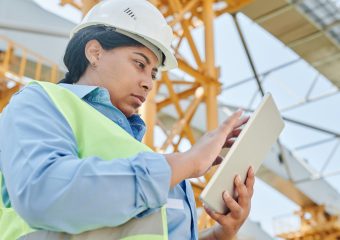

The ROI of AI in Construction: Reducing Delays, Rework, and Cost Overruns
Artificial intelligence (AI) is transforming the construction industry by helping companies improve project planning, control expenses, and make better decisions. Construction projects often face challenges such as schedule delays, material shortages, labor costs, and unexpected repairs. These problems can reduce profitability and affect project delivery. AI-supported construction management can help contractors identify risks earlier and manage resources more effectively.
Understanding Construction Delays
Delays are among the most expensive problems in construction. When one activity falls behind schedule, other tasks may also be affected. Subcontractors might need to change their schedules, equipment may remain unused, and project completion can take longer than expected.
AI tools can analyze project schedules, progress reports, and available historical data to identify potential risks. This information helps project managers review possible problems and take action before delays become more serious. Although AI cannot prevent every disruption, it can support more informed planning and decision-making.
Reducing Costs Through AI
Cost overruns occur when actual project expenses exceed the original budget. They may result from poor planning, inaccurate estimates, material price changes, or unexpected site conditions.
AI-supported systems can help teams compare planned expenses with actual spending and identify unusual cost patterns. For example, analyzing procurement information may help managers recognize potential material shortages or delivery problems.
By identifying risks earlier, contractors can review purchasing plans, adjust resources, and make better financial decisions. However, reliable results depend on accurate data and effective implementation.
Minimizing Rework and Improving Quality
Rework happens when completed construction activities must be corrected or repeated because of mistakes, poor coordination, or quality problems. It wastes materials, increases labor expenses, and creates additional delays.
AI can support quality control by analyzing inspection records, project documents, and site images. Some computer vision systems can identify visible conditions that require further inspection. These tools may help teams detect recurring issues and investigate them earlier.
AI does not replace qualified inspectors or engineers. Instead, it provides additional information that professionals can use to improve quality management and reduce avoidable mistakes.
Improving Scheduling and Risk Management
Construction schedules can change because of weather, labor shortages, material deliveries, and unexpected site conditions. AI-powered analysis can help project teams identify activities that may be at risk and review alternative plans.
For example, if a material delivery is delayed, managers may identify other tasks that can continue while waiting. This can reduce idle time and help maintain progress.
These predictions are not guarantees. Project managers must verify recommendations and consider real site conditions before changing schedules.
Measuring the Return on Investment
Return on investment (ROI) measures the financial benefits of an investment compared with its costs. For construction AI, expenses may include software subscriptions, employee training, implementation, and data management.
Companies can measure potential benefits by tracking project delays, rework expenses, material waste, reporting time, and budget performance. Comparing these results before and after implementation can help determine whether the technology provides measurable value.
Starting with a small pilot project allows contractors to evaluate results before adopting AI across the entire organization.
Conclusion
AI can help construction companies improve planning, identify risks, reduce unnecessary expenses, and manage project performance more effectively. However, successful implementation requires reliable data, trained employees, and clear business objectives.
By measuring actual results and combining AI insights with professional experience, contractors can make more informed decisions and improve project delivery. The goal is not simply to adopt new technology, but to use it strategically to reduce delays, minimize rework, control costs, and achieve better construction outcomes.